Mold Removal in Rancho Mirage, CA — MoldRx
IICRC-Certified Mold Removal Professionals Serving Rancho Mirage and the Central Coachella Valley
Rancho Mirage sits at roughly 250 feet elevation in the central Coachella Valley — about 18,000 year-round residents across 24 square miles of Riverside County desert, median age 66, seasonal population nearly doubling between November and April. Known as the "Playground of Presidents," the city is home to Eisenhower Health, country clubs including Thunderbird, Tamarisk, The Springs, and Morningside, and housing from 1960s mid-century estates to newly built Del Webb retirement homes. Annual rainfall barely reaches five inches and summer temperatures exceed 115 degrees, so mold seems impossible. It is not. HVAC condensation, pool and spa moisture, seasonal vacancy, corroding mid-century plumbing, and monsoon floods down the Whitewater River channel introduce moisture where no one expects it. When homeowners discover mold, it has usually been growing behind walls for months. MoldRx only sends vetted, IICRC-certified mold removal professionals who follow IICRC S520/R520 remediation standards and EPA guidance (publication 402-K-01-001) — specialists who work Coachella Valley properties every week.
Request your free estimate — we'll assess your property and give you straight answers.
Why Mold Grows in Rancho Mirage Homes
Rancho Mirage occupies central Coachella Valley desert floor in ZIP code 92270. Summer highs above 110 degrees and annual rainfall of five inches make mold seem impossible — yet remediators working in the valley encounter active colonies regularly. Four moisture pathways explain why.
Seasonal Vacancy and Unmonitored Homes
Rancho Mirage's population swells each winter as seasonal residents arrive for October through April. When they leave, homes sit vacant through the hottest months. AC systems either run without maintenance or get shut off entirely. A clogged condensate drain leaks water into wall cavities for weeks with no one to notice. Pool equipment continues cycling, adding humidity to enclosed patios. Irrigation saturates soil against foundations on autopilot. The IICRC S520 Standard and EPA publication 402-K-01-001 document that mold colonizes damp materials within 24 to 48 hours — a timeline that plays out repeatedly in vacant homes discovered only when owners return in fall.
HVAC Condensation in Desert Climate
Most homes run air conditioning from March through November. Condensate drains clog with desert dust, mineral scale, and algae. When a line backs up or a drain pan overflows, water enters wall cavities. Large estate homes have multiple HVAC zones with separate air handlers, multiplying failure points. At night, when temperatures drop 30 to 40 degrees, moisture condenses on cooler surfaces — steadily wetting drywall and wall cavities without obvious stains.
Pool, Spa, and Water Feature Moisture
Pools, spas, and water features are standard in Rancho Mirage. Country club communities feature homes designed around outdoor living — pools adjacent to enclosed patios, casitas, and guest quarters. Evaporation raises humidity in semi-enclosed spaces. Pool equipment rooms, adjacent bathroom walls, and enclosed patio structures are among the most common mold locations in the city. Leak detection in aging pool plumbing — especially in 1960s through 1980s homes — is a recurring issue.
Mid-Century and Aging Housing Stock
The median construction year for Rancho Mirage housing is 1987, but the city's most prestigious neighborhoods date to the 1950s through 1970s. Thunderbird opened in 1951, Tamarisk in 1952, with surrounding residential development following through the 1960s and 1970s. These mid-century homes — many by architects like William F. Cody — feature original copper and galvanized plumbing that corrodes over decades, slab foundations without modern moisture barriers, and flat rooflines that collect water during intense storms. Aging plumbing develops pinhole leaks behind walls that feed mold colonies for months before detection.
Signs You Need Professional Mold Removal
These indicators tell you when professional assessment is warranted in your Rancho Mirage property.
Visible Growth Beyond a Small Area
EPA publication 402-K-01-001 uses ten square feet as the threshold for professional remediation. In Rancho Mirage homes, visible colonies most commonly appear along slab-to-drywall transitions in mid-century builds, inside AC air handler closets, behind deteriorated shower pans, around pool equipment rooms, and at exterior wall bases where irrigation saturates foundation soil. If growth covers more than a three-by-three-foot patch or appears in multiple locations, professional containment is appropriate.
Persistent Musty Odor Without Visible Mold
A persistent musty smell without an obvious source typically means mold in a concealed location — wall cavities near AC air handlers, inside HVAC ductwork, behind vanities in guest bathrooms unused during seasonal vacancy, inside pool equipment enclosures, or beneath flooring on slab foundations. If the odor intensifies when AC cycles on or is strongest at floor level, concealed mold is likely.
Recurring Mold After Previous Cleanup
If mold returns after cleaning, the moisture source has not been corrected. In Rancho Mirage, this frequently means an AC condensate drain is still backing up during unmonitored summer months, pool plumbing is leaking behind an adjacent wall, or irrigation is still saturating foundation soil. Recurring mold requires professional moisture mapping and source correction — not another round of surface treatment.
Water Damage History
The IICRC S520 standard and EPA guidance both document that mold colonizes damp materials within 24 to 48 hours. Rancho Mirage properties that have experienced monsoon flooding, a plumbing failure in an unoccupied home, or AC condensate overflow should be evaluated even if surfaces appear dry. In extreme desert heat, water inside wall cavities creates conditions for rapid colonization that may not become visible for weeks.
Health Symptoms That Worsen Indoors
The CDC notes that mold exposure can cause nasal stuffiness, throat irritation, coughing, and wheezing. If symptoms improve when you leave the home and return when you come back, indoor mold is a reasonable possibility — especially concerning in Rancho Mirage given the city's large elderly population.
Health Risks of Mold Exposure
Mold produces allergens, irritants, and in some species mycotoxins. The EPA, CDC, and WHO Guidelines for Indoor Air Quality: Dampness and Mould all document that prolonged exposure is associated with respiratory symptoms, allergic reactions, and asthma aggravation — particularly when indoor colonies exceed normal outdoor baselines.
Populations at Higher Risk
Rancho Mirage's demographics make elderly and retiree populations the primary at-risk group:
- Elderly and retired residents — Rancho Mirage has one of the highest median ages in California at 66 years. The WHO Guidelines for Indoor Air Quality identify elderly populations as requiring priority protection from dampness-related contaminants. Age-related immune and respiratory changes increase sensitivity to mold spores. Eisenhower Health treats respiratory conditions exacerbated by indoor air quality — mold is a documented contributor.
- Adults with asthma, COPD, or allergies — The CDC reports that mold exposure can cause asthma attacks and exacerbate COPD. Valley air quality compounded by windborne dust already stresses respiratory systems, making indoor mold an additional burden.
- Immunocompromised individuals — Chemotherapy patients, transplant recipients, and those with chronic immune conditions face elevated risk from species like Aspergillus. Rancho Mirage's concentration of residents managing serious conditions through Eisenhower Health makes this relevant.
- Seasonal residents returning to unoccupied homes — Snowbirds returning after months of absence may encounter elevated spore concentrations from colonies that grew unchecked, especially if HVAC circulates spores through ductwork.
The goal of professional remediation is to return indoor fungal ecology to normal background levels — what the IICRC S520 standard defines as Condition 1.
When DIY Mold Removal Isn't Enough
The EPA allows homeowners to address small areas using basic precautions, but several situations exceed what DIY methods can handle:
- The affected area exceeds ten square feet — EPA publication 402-K-01-001 identifies this as the professional remediation threshold.
- Mold is inside HVAC ductwork or the air handler — The National Air Duct Cleaners Association (NADCA) recommends professional cleaning when mold is confirmed inside duct systems. In Rancho Mirage homes running AC eight to ten months a year, ductwork contamination means every room receives spore-laden air.
- Growth has penetrated structural materials — Mold in wall framing or subfloor sheathing requires selective demolition and containment beyond surface cleaning.
- The mold appears to be Stachybotrys (black mold) — IICRC S520 requires careful containment due to mycotoxin production.
- The water source is Category 2 or Category 3 — IICRC S500 classifies sewage backups or flooding as gray or black water, requiring additional biohazard protocols.
- Documentation is needed for insurance or real estate — DIY cleanup does not produce the reports and clearance testing that carriers and buyers require.
If any of these conditions apply, professional assessment is the practical next step. Request a free estimate — we will tell you what you actually need.
How We Remove Mold in Rancho Mirage Properties
Every project follows the IICRC S520/R520 standard and Cal/OSHA Title 8 regulations. The work is methodical, documented, and designed to eliminate mold at the source.
1. Inspection and Moisture Mapping
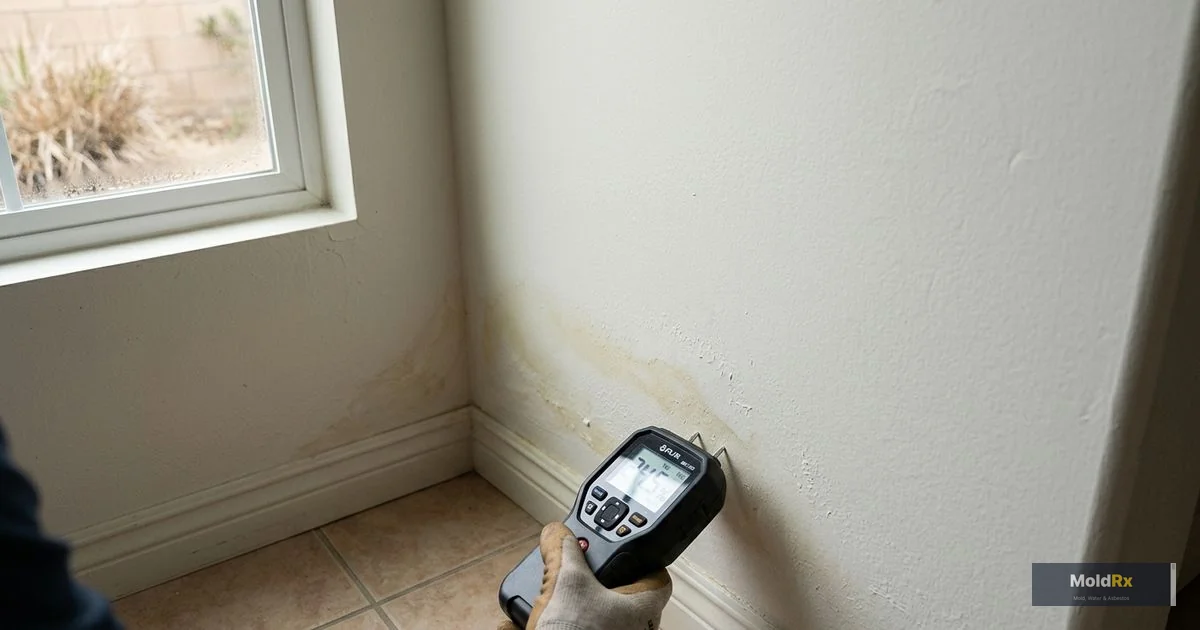
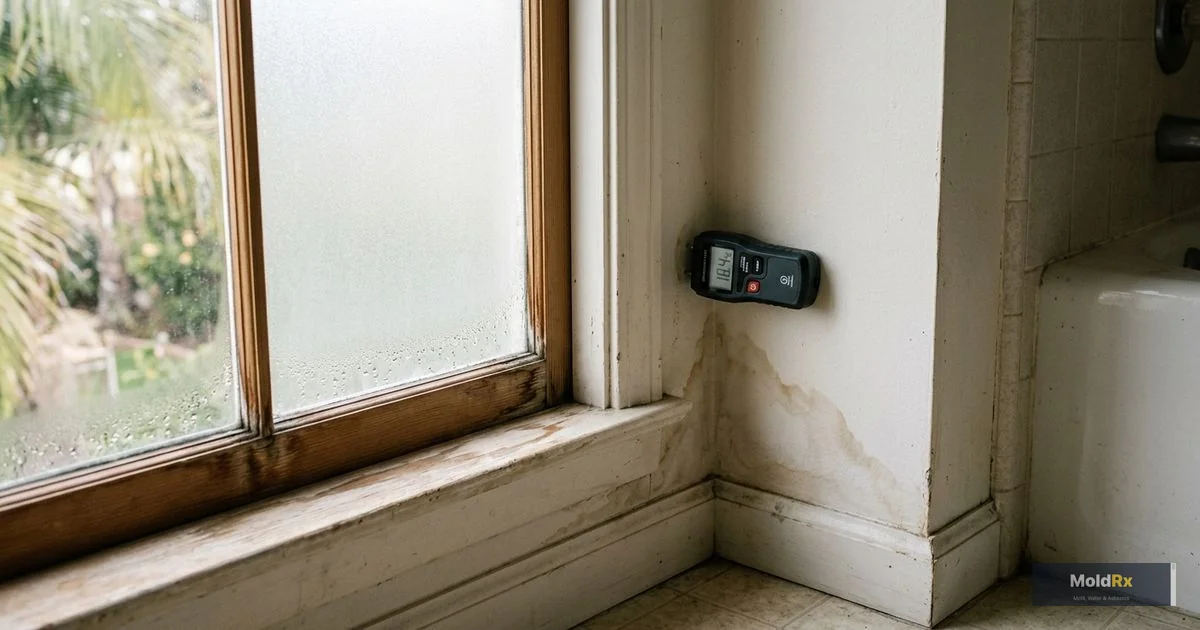
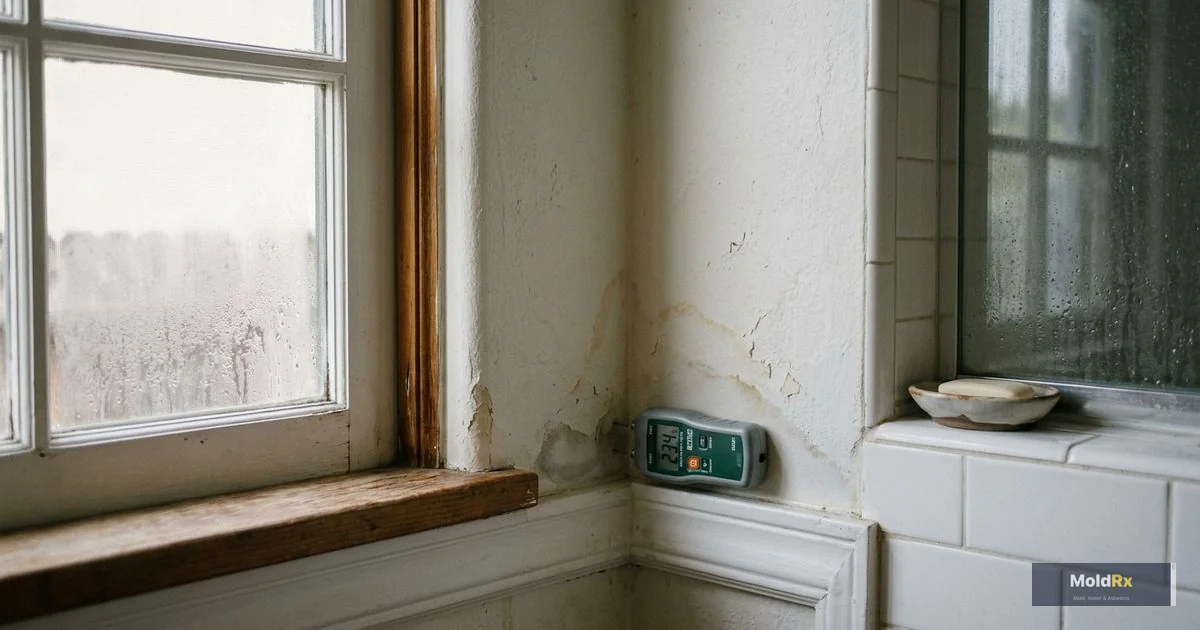
Professionals inspect using infrared thermal imaging and calibrated moisture meters. In Rancho Mirage, this means scanning AC air handlers across multiple HVAC zones, checking walls adjacent to pools and water features, inspecting guest quarters vacant during summer, and probing slab edges and mid-century plumbing runs. The assessment follows EPA 402-K-01-001 protocols, producing a moisture map and scope of work before any material is disturbed.
2. Containment
Affected areas are isolated using polyethylene sheeting and negative air pressure with HEPA filtration, following IICRC S520 Condition 2 and 3 classifications. The CDC and EPA advise keeping vulnerable occupants away from active remediation. The WHO Guidelines for Indoor Air Quality document elevated risks for elderly populations — especially relevant in Rancho Mirage. Containment remains until clearance verification.
3. Removal and Treatment
Mold-colonized porous materials are removed, double-bagged, and disposed of per IICRC S520 protocols and Cal/OSHA Title 8 section 5155 standards. Salvageable surfaces are HEPA-vacuumed and treated with EPA-registered antimicrobial agents. In Rancho Mirage, technicians frequently address slab-to-drywall transitions in mid-century homes, multi-zone AC air handlers, guest bathrooms unused during vacancy, pool equipment enclosures, and exterior walls where monsoon runoff has penetrated.
4. Moisture Correction
Mold removal without moisture correction is temporary. Correction targets the specific pathway: repairing AC condensate drains across multiple zones, replacing corroded plumbing, fixing pool leaks, regrading soil away from foundations, sealing ductwork, and establishing a seasonal vacancy protocol for unoccupied months.
5. Post-Remediation Verification
The project undergoes verification to confirm IICRC S520 Condition 1 — normal fungal ecology, no visible mold, no elevated spore counts. The homeowner receives complete documentation: before-and-after photographs, moisture readings, scope of work, clearance test results, and moisture correction summary. This package supports insurance claims, real estate transactions, and long-term property records.
Mold Removal vs. Mold Remediation: What's the Difference?
Mold removal is the physical elimination of colonized materials — cutting out drywall, disposing of contaminated insulation, cleaning surfaces. Mold remediation is the full IICRC S520 process: assessment, containment, removal, moisture source correction, structural drying, and post-remediation verification to confirm Condition 1 — normal fungal ecology.
Removal without remediation is incomplete. In Rancho Mirage, where HVAC condensation, seasonal vacancy, pool moisture, and aging plumbing are persistent conditions, moisture correction is the difference between a permanent fix and a recurring problem. MoldRx coordinates full remediation on every project — the complete IICRC S520 protocol from assessment through Condition 1 clearance.
Preventing Mold After Remediation
Successful remediation eliminates the existing colony, but Rancho Mirage's moisture sources are persistent. These prevention steps are tailored to the city's seasonal-use patterns.
Establish a Seasonal Closure Protocol
If you leave your Rancho Mirage home during summer, a proper closure protocol prevents unchecked colonization. Set AC to maintain indoor temperature at or below 80 degrees — never shut it off entirely. Flush condensate drains before departure. Turn off water at the main shut-off to prevent undetected leaks. Set pool equipment to minimal circulation with ventilated equipment rooms. Arrange for a property manager or house-watch service to check interior humidity every two weeks. Homes left fully shuttered in July and August without monitoring are where remediators find the worst damage.
Maintain Your HVAC System
AC runs eight to ten months a year, producing condensation daily. Flush condensate drain lines at the start of cooling season and again at midseason. Replace air filters monthly — Coachella Valley dust clogs filters rapidly. Have a technician check drain pans, coils, and ductwork seals annually. Homes with multiple HVAC zones need each system inspected independently — a failure in a guest wing air handler can go unnoticed for months.
Manage Pool, Spa, and Water Feature Moisture
Keep pool and spa equipment rooms ventilated. Check for plumbing leaks at equipment connections and return lines quarterly. Ensure splash-out and overflow drainage directs water away from the foundation. If your pool is adjacent to an enclosed patio or casita, monitor humidity and ensure adequate ventilation.
Address Water Intrusion Promptly
Mold colonization begins within 24 to 48 hours of wetting. In Rancho Mirage's extreme heat, wall cavities reach 130 degrees on summer afternoons, compressing that timeline. Whether the source is monsoon flooding, a plumbing failure, or AC condensate overflow, dry affected materials immediately. Every hour of delay increases colonization scope.
Schedule Periodic Inspections
For homes with mid-century plumbing, properties vacant during summer, and any home that has experienced water intrusion, an annual professional moisture inspection is practical preventive care. Thermal imaging and moisture meters identify concealed dampness before mold establishes. The ideal timing is September or October — just before seasonal residents return — so summer-developed issues are caught before occupancy.
What Sets MoldRx Apart
- Straight talk, not sales talk. We report what the inspection finds — including when the problem is smaller than you feared. No inflated scopes.
- Licensed, insured, IICRC-certified. Every professional holds active credentials verified through the CSLB (Contractors State License Board) with full liability and workers' compensation insurance for Riverside County work.
- Full documentation on every job. Inspection reports, scope of work, moisture readings, clearance testing, photo documentation — a complete written record for insurance and real estate purposes.
- Family-owned accountability. We only send vetted remediation professionals we stand behind. If something is not right, you call us directly.
Get your free estimate — no obligations, no pressure.
Rancho Mirage Neighborhoods We Serve
MoldRx provides mold removal across every neighborhood in Rancho Mirage — ZIP code 92270 — including residential and commercial properties throughout the city.
- Thunderbird Country Club / Thunderbird Heights — The historic heart of Rancho Mirage, established in 1951. Mid-century estates from the 1950s through 1970s with original copper and galvanized plumbing, flat rooflines, and slab foundations without modern moisture barriers. Aging plumbing develops pinhole leaks behind walls. Large lots with mature landscaping create irrigation moisture against foundations, and many homes sit vacant during summer — undetected mold growth is a persistent concern.
- Tamarisk Country Club — Established in 1952 by the Marx Brothers and other Hollywood figures. Homes from the 1950s through 1980s with mid-century construction — original plumbing, flat roofs, enclosed patio areas adjacent to pools. Many residences are seasonal-use properties where mold colonizes during extended summer vacancy.
- The Springs Country Club — A guard-gated community of approximately 720 homes. Properties surround a golf course and lake — the irrigated landscape raises humidity and foundation-adjacent soil moisture. The community's retiree-heavy population makes prompt remediation especially important given age-related respiratory vulnerability.
- Magnesia Falls Cove — A non-gated neighborhood with homes from 1,500 to 4,500 square feet spanning mid-century to contemporary styles. Named for Magnesia Spring Creek — the drainage that caused $7 million in flood damage and one fatality in 1979. Properties near the wash remain vulnerable to monsoon runoff. Diverse housing eras mean plumbing and HVAC quality vary widely.
- Del Webb Rancho Mirage — A guard-gated 55-plus community of approximately 1,047 homes built beginning in 2018. Newer construction reduces plumbing risk, but the retirement-age population faces elevated mold-exposure health consequences. Pool areas, landscaped lots, and year-round HVAC create condensation conditions that warrant monitoring.
- Rancho Las Palmas Country Club — A resort-adjacent community along Bob Hope Drive with 1970s-1980s homes near extensive water features and irrigated fairways. Aging plumbing, enclosed pool patios, and landscape irrigation make hidden mold from leaks and condensation a common finding.
- Whitewater River Channel Adjacent — Properties along the Whitewater River Stormwater Channel face the highest flash flood exposure in Rancho Mirage. Levee failures in 1976 (Hurricane Kathleen) and 1979 caused catastrophic flooding in this corridor. Modern flood control reduces risk, but monsoon runoff still pools against foundations and post-storm heat creates ideal conditions for rapid mold colonization.
Nearby Communities We Also Serve
Related Services in Rancho Mirage
- Mold Removal in Rancho Mirage
- Asbestos Removal in Rancho Mirage
- Water Damage Restoration in Rancho Mirage
- Mold Testing in Rancho Mirage
- Asbestos Testing in Rancho Mirage
→ All remediation services in Rancho Mirage
Frequently Asked Questions
Can mold really grow in a desert city like Rancho Mirage?
Yes. HVAC condensation from systems running eight to ten months a year, pool and spa moisture, seasonal vacancy leaving homes unmonitored, and aging mid-century plumbing all introduce more than enough moisture for mold to colonize indoor materials. Coachella Valley remediators encounter active colonies regularly.
How does seasonal vacancy contribute to mold in Rancho Mirage?
When seasonal residents leave for summer, homes sit unoccupied for four to six months during the hottest period. AC condensate drains clog with no one to notice. Plumbing develops slow leaks undetected. Pool equipment rooms stay enclosed in extreme heat. Irrigation saturates foundation soil. Mold colonizes damp materials within 24 to 48 hours — in a vacant home, colonies grow for months before discovery.
Does my pool or spa increase mold risk?
Pools, spas, and water features raise humidity in adjacent enclosed spaces — patios, casitas, guest bathrooms, and equipment rooms. Aging pool plumbing develops leaks behind shared walls. If you notice musty odors near pool-adjacent rooms or discoloration on shared walls, a professional inspection is warranted.
Are elderly residents more vulnerable to mold exposure?
The WHO Guidelines for Indoor Air Quality identify elderly populations as a priority group for protection from dampness-related contaminants. Age-related changes in respiratory and immune function increase sensitivity to mold spores. With a median age of 66 and a large retiree population, prompt remediation in Rancho Mirage is especially important.
Should I get a mold inspection before returning to my seasonal home?
If your home has been vacant through summer, a professional moisture inspection before you settle back in is practical. Thermal imaging and moisture meters detect water intrusion and early colonization that may not be visible. The ideal timing is September or October, before seasonal residents return.
How does mid-century housing affect mold risk?
Many of Rancho Mirage's most prestigious homes were built in the 1950s through 1970s with plumbing that degrades over decades. Original copper and galvanized pipes develop pinhole leaks. Slab foundations lack modern moisture barriers. Flat rooflines collect water during intense storms. These conditions create concealed moisture pathways where mold colonizes without visible indicators.
Do I need to leave my home during mold removal?
For most projects with proper containment, occupants can stay in unaffected areas. If contamination is extensive, involves the HVAC system, or if household members include elderly residents or individuals with respiratory conditions, we may recommend temporary relocation during the most intensive phases.
How do I prevent mold from returning after remediation?
Establish a seasonal closure protocol if you leave during summer — maintain AC at or below 80 degrees, flush condensate drains before departure, shut off water at the main, and arrange property checks every two weeks. Year-round: service HVAC annually, keep pool equipment rooms ventilated, maintain irrigation three feet from foundations, and keep indoor humidity between 30 and 50 percent.
What is the difference between mold removal and mold remediation?
Mold removal is the physical elimination of colonized materials. Mold remediation is the full IICRC S520 protocol: assessment, containment, removal, moisture correction, drying, and Condition 1 verification. MoldRx coordinates full remediation on every project — removal without moisture correction leads to recurrence.
Does MoldRx provide emergency mold removal in Rancho Mirage?
Yes. Mold colonization begins within 24 to 48 hours of water exposure, and extreme heat accelerates that timeline. Monsoon flooding, burst plumbing, AC condensate overflow in an unoccupied home, and pool equipment failures all require rapid response. Call (888) 609-8907 — we coordinate prompt assessment and containment.
Get Mold Removal in Rancho Mirage
MoldRx only sends vetted, IICRC-certified remediation professionals who know Coachella Valley construction and Rancho Mirage's unique moisture challenges.
Call (888) 609-8907 or request your free estimate online — clear answers, honest guidance, work done right.