Mold Testing in Big Bear Lake, CA — MoldRx
Vetted Mold Testing Specialists Serving Big Bear Lake and the San Bernardino Mountains
Big Bear Lake sits at 6,752 feet in the San Bernardino Mountains — a year-round recreation destination with roughly 5,500 permanent residents and a vacancy rate approaching 77%, driven by the thousands of vacation cabins and seasonal homes that fill during ski season and summer weekends. That combination of high elevation, heavy snowfall, extended vacancy periods, and older cabin construction creates some of the most mold-prone conditions in all of Southern California.
If you own property here — whether it is your full-time residence, a vacation rental, or a cabin you visit a few times a year — professional mold testing tells you what is actually happening inside your walls. Not guesswork. Not a sales pitch. Real data from accredited laboratories that you can act on with confidence.
Why Big Bear Lake Properties Need Mold Testing
Big Bear Lake's climate is nothing like the valleys and deserts below. Average annual precipitation reaches approximately 21 inches — nearly double what most Southern California cities receive — and much of it arrives as snow, averaging 72 inches per season at lake level, with upwards of 100 inches on the surrounding forested ridges. Winter temperatures regularly drop into the 20s and 30s, while summers climb into the mid-70s to low 80s. The result is a mountain environment with constant freeze-thaw cycling, significant moisture loads, and dramatic temperature differentials between heated interiors and cold exterior walls.
These conditions create specific, well-documented pathways for mold growth:
Seasonal vacancy and unmonitored moisture. The majority of Big Bear Lake's housing stock sits empty for weeks or months at a time. A minor roof leak during a January storm, a slow plumbing drip, or condensation from an improperly winterized home can introduce moisture that has no one watching and no airflow to dry it out. By the time an owner returns in spring, mold colonies may have been growing for months inside wall cavities, under flooring, or in attic insulation.
Snowmelt and ice dam intrusion. When snow accumulates on roofs and partially melts during sunny winter afternoons, refreezing at the eaves creates ice dams. Water backs up under shingles and finds its way into attic spaces, soffit areas, and wall cavities. This is one of the most common — and most hidden — water intrusion pathways in mountain homes. The EPA's moisture control guidance (402-K-01-001) identifies this type of concealed water intrusion as a primary driver of indoor mold contamination.
Condensation from heating cycles. During winter, indoor heating creates warm, relatively humid air. When that air contacts cold exterior walls, condensation forms inside wall cavities — completely invisible from either side. Over an entire heating season, this repeated condensation cycle saturates insulation and sheathing. The WHO guidelines on indoor air quality note that persistent condensation on building surfaces is sufficient to support mold growth even without a direct water leak.
Older cabin construction without modern moisture barriers. Many Big Bear properties were built as summer cabins between the 1940s and 1970s, with construction methods that did not anticipate year-round occupancy or modern forced-air heating. These structures often lack proper vapor barriers, adequate insulation, and ventilation systems capable of managing the moisture generated by winter heating. Original plumbing, single-pane windows, and aging roofing materials compound the risk. Even homes that have been remodeled may retain original framing and sheathing where hidden moisture problems persist.
Pine debris and organic accumulation. The dense pine forests surrounding Big Bear Lake drop needles, bark, and organic matter onto roofs and into gutters year-round. When this debris traps moisture against roofing materials and in drainage systems, it creates localized conditions that accelerate wood decay and mold colonization — often where owners never think to look.
When Big Bear Lake Homeowners Should Get Mold Testing
Not every situation requires testing, and we will tell you if yours does not. But certain circumstances make professional mold testing the right decision for Big Bear property owners:
- You notice musty or earthy odors when opening a cabin that has been closed for weeks or months — this is the single most common indicator of hidden mold in seasonally occupied mountain homes
- You see visible discoloration, staining, or fuzzy growth on walls, ceilings, window frames, or stored belongings
- A property has experienced water damage from roof leaks, pipe bursts, ice dam backup, or snowmelt intrusion — even if the visible water appeared to dry out
- Family members or guests report respiratory symptoms, allergies, sinus congestion, or headaches that improve when they leave the property
- You are buying, selling, or refinancing a Big Bear property and need documented evidence of indoor air quality conditions
- A vacation rental needs verification that guest living spaces meet healthy indoor air standards — increasingly expected by booking platforms and guests
- You want post-remediation verification to confirm that a previous mold problem was resolved to IICRC S520 clearance standards
- A property has been through a winter with incomplete winterization — pipes not fully drained, heat left off, or other gaps in seasonal preparation
Request a free estimate from MoldRx — we will tell you what you actually need.
Our Mold Testing Process
When you schedule mold testing for your Big Bear Lake property, our vetted specialists follow standardized protocols designed to produce reliable, defensible results.
1. Property Assessment and Moisture Mapping
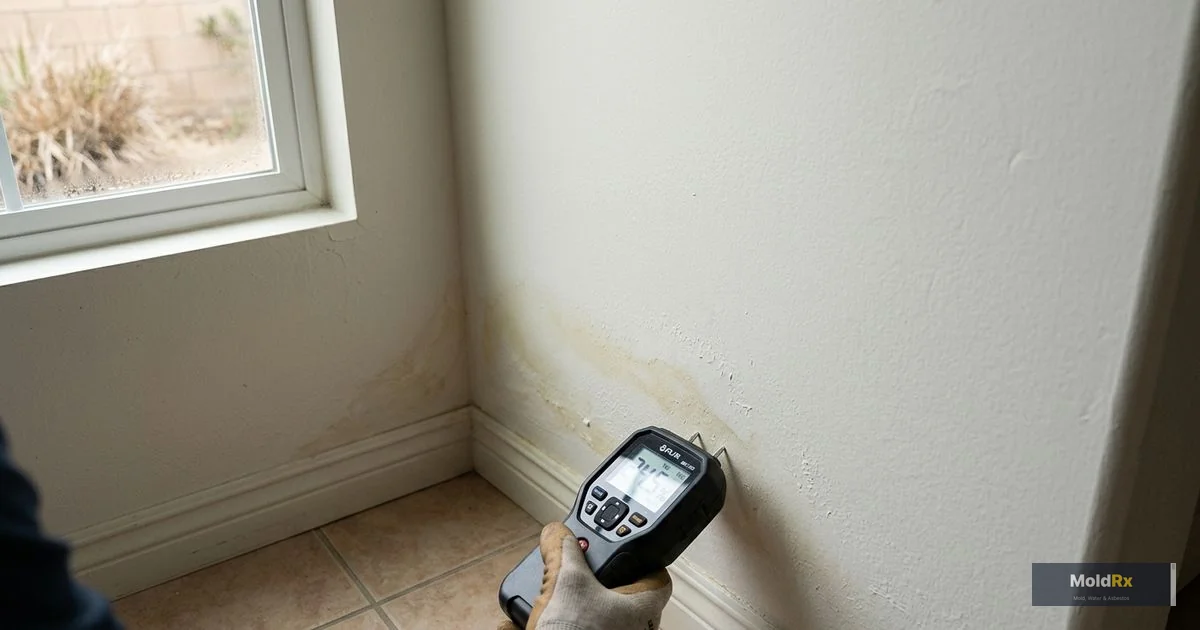
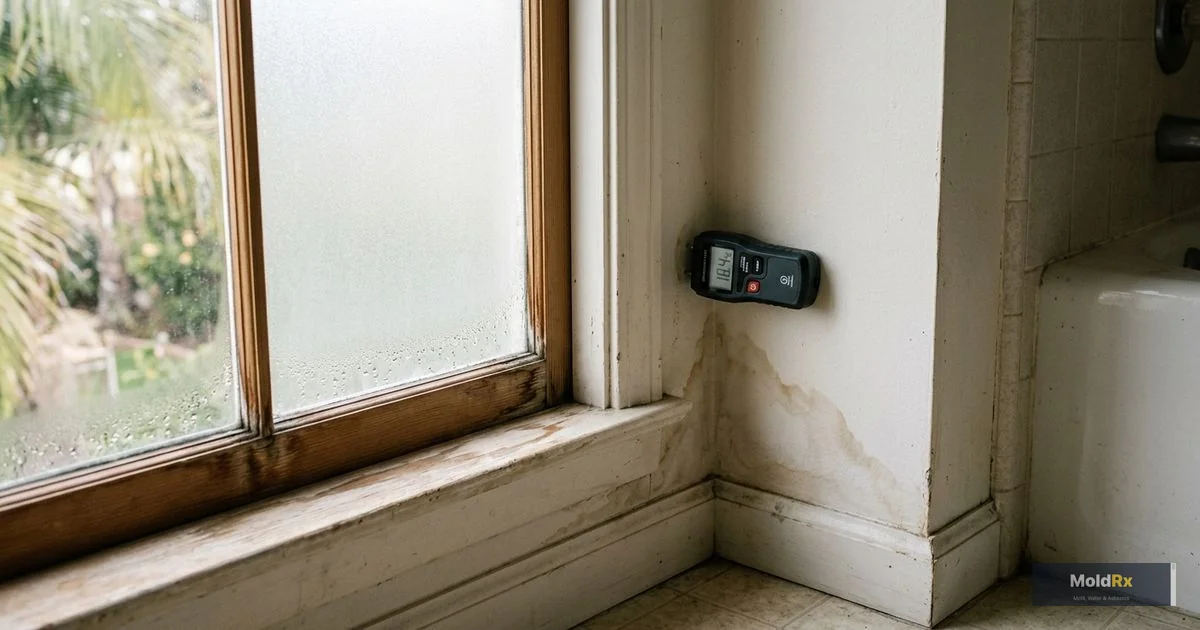
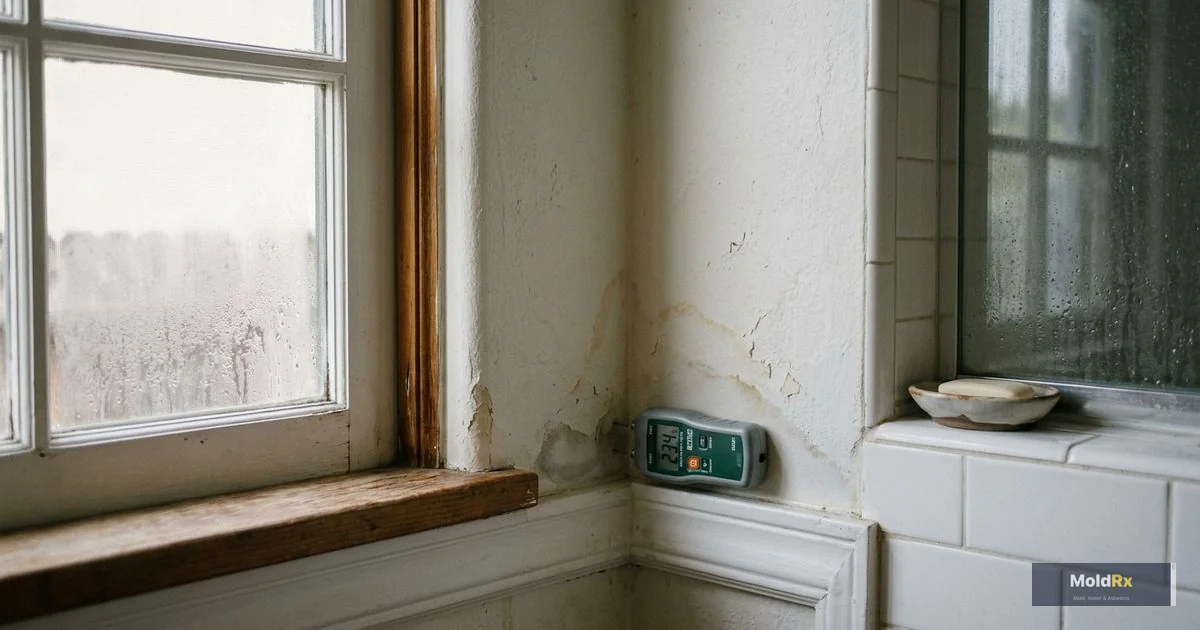
The process begins with a thorough visual inspection focused on Big Bear's specific risk areas: attic spaces where ice dams may have caused water intrusion, areas around windows and doors where snow accumulation is common, crawl spaces exposed to snowmelt drainage, rooms showing signs of condensation, and any spaces that have been closed up during vacancy. Calibrated moisture meters identify hidden moisture behind walls and under flooring that visual inspection alone cannot detect.
2. Air Sampling
Non-viable air sampling captures airborne mold spores using calibrated cassettes at strategic locations throughout the property, plus at least one outdoor control sample. Indoor spore counts are compared against the outdoor baseline to determine whether indoor levels are elevated — the comparison method recommended by the American Industrial Hygiene Association (AIHA). For Big Bear properties that have been closed up, we typically sample in multiple rooms to identify whether contamination is localized or distributed.
3. Surface Sampling
Where visible growth, staining, or suspect materials are identified, surface samples are collected via tape lift, swab, or bulk sample. Surface sampling identifies the specific mold genera growing on materials — information that air sampling alone does not always provide. This is particularly important in Big Bear cabins where wood surfaces, log walls, and exposed beams may show discoloration that could be mold, weathering, or wood tannin staining.
4. Accredited Laboratory Analysis
All samples are analyzed by laboratories accredited through the National Voluntary Laboratory Accreditation Program (NVLAP) or equivalent programs. Lab results identify mold genera, quantify spore concentrations, and provide the data needed to assess whether indoor conditions exceed what is considered normal for the environment. Results typically arrive within 3 to 5 business days.
5. Results Interpretation and Recommendations
Lab reports full of Latin names and spore counts do not help if you do not understand what they mean. We explain your results in plain language: what was found, whether levels are elevated compared to the outdoor baseline, what the likely moisture source is, and what — if anything — needs to happen next. If remediation is needed, we will explain the scope. If levels are normal, you will know your property is clear.
What Accredited Mold Testing Actually Measures
Understanding what the numbers on your report mean helps you evaluate the situation without relying on anyone's opinion alone.
Spore counts (spores per cubic meter): Air samples report the concentration of mold spores in your indoor air. These are compared to the outdoor control sample. If indoor counts are significantly higher than outdoor levels — or if specific genera appear indoors that are absent outdoors — that indicates an active indoor source.
Genera identification: Lab analysis identifies mold to the genus level (e.g., Aspergillus, Penicillium, Cladosporium, Stachybotrys). Different genera carry different implications. Cladosporium is the most common outdoor mold in most environments and is often expected at moderate levels indoors. Stachybotrys (commonly called "black mold") requires sustained water saturation to grow and its presence indicates a significant moisture problem.
ERMI scoring: For properties where a comprehensive fungal assessment is warranted, the Environmental Relative Moldiness Index (ERMI) uses DNA-based analysis of dust samples to generate a single score comparing your home to a national reference database. ERMI testing can be particularly useful for Big Bear vacation homes where owners want a comprehensive baseline assessment.
Mountain-Specific Factors Our Specialists Understand
The professionals we work with in the Big Bear area are familiar with conditions that general mold inspectors from the valley may not recognize:
- Ice dam damage patterns — where to look in attic spaces and at eave lines for water intrusion that may have occurred months earlier
- Winterization failures — residual moisture from improperly drained pipes, unflushed toilet traps, and disconnected water systems
- Cabin construction characteristics — log homes, post-and-beam framing, stone foundations, and uninsulated crawl spaces common to Big Bear's older housing stock
- Elevation effects on drying rates — lower atmospheric pressure at 6,752 feet affects evaporation differently than at valley elevations, and reduced oxygen density can influence which mold species thrive
- Seasonal occupancy patterns — understanding how long a property has been vacant, whether it was heated during vacancy, and what winterization steps were taken (or skipped) informs the assessment
Big Bear Lake Areas We Serve
We provide mold testing throughout Big Bear Lake and the surrounding mountain communities in the San Bernardino Mountains. Service areas include:
- Big Bear Lake proper — the Village, downtown, lakefront properties along the south shore
- Moonridge — lower Moonridge near Bear Mountain Ski Resort, the Alpine Zoo, and the Moonridge Strip, as well as upper Moonridge hillside homes with panoramic valley views
- Boulder Bay — north-facing properties in the most snow-persistent neighborhood in Big Bear, where accumulation lingers weeks longer than elsewhere in the valley
- Fawnskin — North Shore cabins and year-round homes along the quieter, more rustic side of the lake
- Big Bear City — the unincorporated community east of the dam, including homes along Big Bear Boulevard and the residential streets north and south of the main corridor
- Sugarloaf and Erwin Lake — residential neighborhoods south and east of the main lake corridor
- Baldwin Lake and Lake Williams — outlying mountain communities in the broader Big Bear Valley
We serve homes in ZIP codes 92315 and 92314, from vintage 1940s A-frame cabins to newer full-time residences and modern vacation rental properties. Whether you are a year-round resident, a vacation homeowner checking on your property after a long winter, a short-term rental operator managing guest turnover, or a buyer evaluating a potential purchase, we are here to help.
Common Mold Types Found in Big Bear Lake Homes
The mountain environment and construction characteristics of Big Bear properties produce a somewhat different mold profile than valley homes:
- Cladosporium — the most common outdoor mold at this elevation, frequently found at moderate indoor levels; elevated counts suggest a moisture source
- Penicillium / Aspergillus — common in water-damaged building materials; often found in wall cavities and attic insulation affected by ice dam intrusion or condensation
- Chaetomium — a cellulose-degrading mold that indicates sustained water damage to wood, drywall, or paper-backed materials
- Stachybotrys chartarum — requires continuously wet conditions to colonize; its presence in a Big Bear home typically indicates a serious, long-duration water intrusion event
- Aureobasidium — commonly found on wood surfaces and window frames; particularly prevalent in mountain homes with wood-heavy construction
The CDC recommends that all indoor mold growth be addressed regardless of species. Testing identifies what you are dealing with so that remediation — if needed — can be properly scoped.
California Regulations and Standards That Apply
Mold testing in California operates within a specific regulatory framework:
- IICRC S520 — the Standard and Reference Guide for Professional Mold Remediation, which defines assessment protocols, sampling methods, and clearance criteria used by qualified professionals
- Cal/OSHA Title 8 — workplace safety regulations that apply when mold is present in commercial properties or during remediation activities
- CSLB licensing requirements — California contractors performing mold remediation must hold appropriate licensure; testing identifies whether your situation requires licensed remediation work
- AIHA laboratory accreditation — ensures the laboratory analyzing your samples meets recognized quality standards for environmental microbiology
These standards exist to protect property owners. When we say our testing follows established protocols, this is what we mean — not a proprietary process, but recognized industry and regulatory standards that produce results you can rely on.
Real Estate Transactions and Insurance in Big Bear Lake
Mold testing plays a specific role in Big Bear Lake property transactions that differs from typical valley real estate markets. With a housing stock dominated by vacation properties and older cabins, buyers and lenders often face questions about moisture history and indoor air quality that a standard home inspection does not answer.
For buyers: If you are purchasing a Big Bear cabin or home — particularly one built before 1980 or one that has been used as a seasonal vacation property — mold testing provides objective data about indoor conditions before you close. A property that has been well-maintained and properly winterized each year will likely test clean. A property with deferred maintenance, a history of seasonal vacancy without climate control, or visible signs of past water intrusion may tell a different story. Either way, testing gives you facts rather than assumptions.
For sellers: Providing mold testing documentation with your listing demonstrates transparency and can reduce the likelihood of deal-disrupting surprises during the buyer's inspection period. Clean test results are a selling point. If testing identifies an issue, addressing it before listing positions the property better in a competitive mountain real estate market.
For insurance claims: If you have experienced water damage from a burst pipe during a winter freeze, ice dam intrusion, or roof failure under snow load, mold testing creates a documented record of resulting contamination. Insurance adjusters rely on lab data — not visual impressions — to evaluate claims. Having accredited test results strengthens your position.
What to Expect When You Work With MoldRx
-
Honest assessment. If testing is not necessary for your situation, we will tell you. If a visual inspection reveals an obvious problem that needs remediation regardless of lab results, we will explain that upfront rather than running unnecessary tests. We are not here to generate billable work — we are here to give you accurate information.
-
Clear communication. You will understand exactly what we are testing, why specific locations were chosen for sampling, how long results take, and what different outcomes mean for your property. No jargon without explanation, no vague conclusions.
-
Mountain-specific knowledge. Our vetted professionals understand Big Bear's unique challenges — ice dam patterns, cabin construction methods, seasonal vacancy effects, and the moisture dynamics of high-elevation homes. They know where to look for problems that a valley-based inspector might miss entirely.
-
Documentation you can use. Whether you need test results for a real estate transaction, an insurance claim, a vacation rental compliance file, or your own peace of mind, you will receive clear professional documentation of all testing and findings.
Related Services in Big Bear Lake
In addition to mold testing, we also offer Mold Removal in Big Bear Lake, Asbestos Removal in Big Bear Lake, Water Damage Restoration in Big Bear Lake, and Asbestos Testing in Big Bear Lake services to Big Bear Lake property owners.
→ Learn more about remediation services in Big Bear Lake
Frequently Asked Questions
How long does mold testing take for a Big Bear Lake property?
Most residential mold testing appointments take 1 to 2 hours on-site, depending on the size of the property and number of samples collected. Lab results are typically available within 3 to 5 business days. If you need expedited results for a real estate closing or urgent health concern, ask about rush processing options.
I manage a vacation rental in Big Bear. Should I get mold testing between guests?
Routine testing between every guest turnover is not typically necessary. However, professional mold testing is warranted at least once annually — ideally in spring after the winter season — and after any known water intrusion event, guest complaint about musty odors, or visible signs of moisture damage. Maintaining documentation of clean test results also protects rental operators against liability claims related to indoor air quality. If you are listing on platforms like Airbnb or Vrbo, documented testing demonstrates due diligence.
My Big Bear cabin is closed up for several months each winter. Does that increase mold risk?
Significantly. Extended vacancy without climate control allows indoor temperatures to drop below freezing, and when the property warms again — either from spring temperatures or when you turn the heat back on — condensation can form on cold surfaces throughout the home. Additionally, any moisture intrusion from roof leaks, ice dams, or plumbing issues goes undetected and unaddressed for the entire vacancy period. We recommend that properties closed for winter be tested in early spring when they are reopened, particularly if winterization was incomplete or if you notice any musty odors or visible moisture when you return.
What is the difference between air and surface mold testing?
Air testing measures the concentration of airborne mold spores throughout your home and compares indoor levels to an outdoor baseline sample. It identifies whether the air you are breathing contains elevated mold levels. Surface testing identifies specific mold genera growing on materials — walls, wood, insulation, or other building components. Most thorough assessments include both methods, as each captures information the other may miss.
Can I do mold testing myself with a home kit?
DIY mold test kits are available at hardware stores, but they have well-documented limitations. Settle plates (petri dishes left open to air) cannot quantify spore concentrations and are easily contaminated. Cassette-based kits may collect samples but still require lab analysis, and without proper calibration and sampling technique, results may not be reliable. Professional testing uses calibrated air pumps, standardized collection times, chain-of-custody documentation, and accredited laboratory analysis. The accuracy difference matters when you are making decisions about your family's health and potentially thousands of dollars in remediation.
What mold levels are considered dangerous?
There is no single regulatory threshold for "safe" versus "dangerous" mold levels. Results are interpreted by comparing indoor spore counts to outdoor baseline levels and by evaluating which mold genera are present. Indoor counts significantly exceeding outdoor levels — or the presence of indicator species like Stachybotrys that do not typically appear in outdoor air — suggest an active indoor moisture and mold problem. Our reports explain results in context with clear recommendations rather than leaving you to interpret raw numbers.
Does Big Bear Lake's elevation affect mold growth?
Yes. The lower atmospheric pressure at nearly 6,800 feet affects evaporation rates and moisture dynamics. Reduced oxygen density at elevation can also influence which mold species are dominant. However, the primary drivers of mold in Big Bear homes are moisture-related — snowmelt intrusion, condensation, and vacancy — rather than elevation per se. The elevation contributes to those moisture conditions, which is why mountain homes require a different assessment approach than valley properties.
Schedule Mold Testing for Your Big Bear Lake Property
Whether you have noticed musty odors after reopening your cabin for the season, you are concerned about past water intrusion from ice dams or snowmelt, you are purchasing or selling a mountain home, or you simply want peace of mind about the air quality in your Big Bear Lake property — professional mold testing gives you the answers you need.
MoldRx only sends vetted mold testing specialists who understand Big Bear Lake's unique mountain environment, its older cabin construction, and the specific moisture challenges that come with high-elevation, snow-country living. We follow IICRC S520 protocols. We use AIHA-accredited and NVLAP-accredited laboratories. And we will tell you what you actually need — not what generates the largest invoice.
Contact MoldRx today to request a free estimate for professional mold testing in Big Bear Lake.